


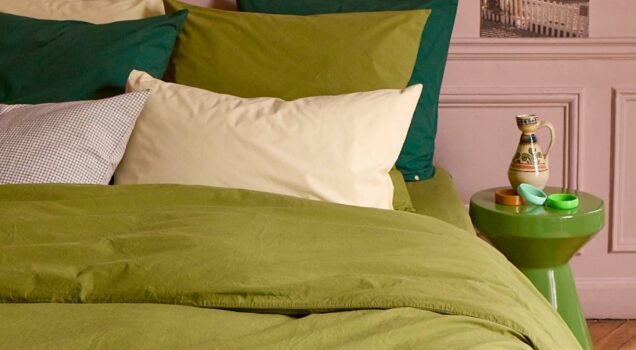

A bedroom can feel warmer in winter without being overheated. Comfort is strongly influenced by what you see and touch: colours, textures, lighting and the way textiles are layered. A flat-looking bed, a cold floor, a bare window or one very white ceiling light can make a room feel chilly even when the actual temperature is fine.
The opposite is also true. A few thoughtful changes can completely alter the mood: more texture on the bed, a throw at the foot, curtains that frame the window, softer lighting, a rug for the first step of the morning and a slightly deeper colour palette. Here is a practical method to make your bedroom feel warmer in winter without overcrowding it.
Contents
- 1. Start with the bed and layered textiles
- 2. Use colour to warm the room visually
- 3. Soften the lighting
- 4. Dress the windows intelligently
- 5. Improve the floor and morning comfort
- 6. Mix textures without creating clutter
- 7. Adapt the ideas to a small bedroom
- 8. Keep the bedroom healthy in winter
- 9. Transform the room in one hour
- 10. FAQ
1. Start with the bed: the largest textile surface in the room
The bed is usually the first thing you notice, which makes it the best place to start. You do not need to replace all your bedding. In many cases, layering is what creates the warmer visual effect.
A duvet cover with visible texture, a throw at the foot and two or three cushions create several levels of depth. The eye immediately sees more softness and the whole room feels less stark.
Layer without collecting too many products
Begin with a simple base. If the bedding is already colourful or patterned, add a calmer throw. If the bedding is plain, bring in texture through a woven throw, cotton gauze or an embroidered cushion.
There is no need for six layers. Three are often enough: the bed linen itself, one throw or bedspread, then a few decorative cushions.
Put the throw where it actually works
At the foot of the bed, a throw creates a line of colour and texture that immediately structures the sleeping area. Fold it neatly for a more graphic look or leave it slightly relaxed for something softer.
If you also want to use it in the evening, choose a size that genuinely covers you. A purely decorative throw often stays untouched; a comfortable one becomes part of the winter routine.
Textiles that instantly add depth
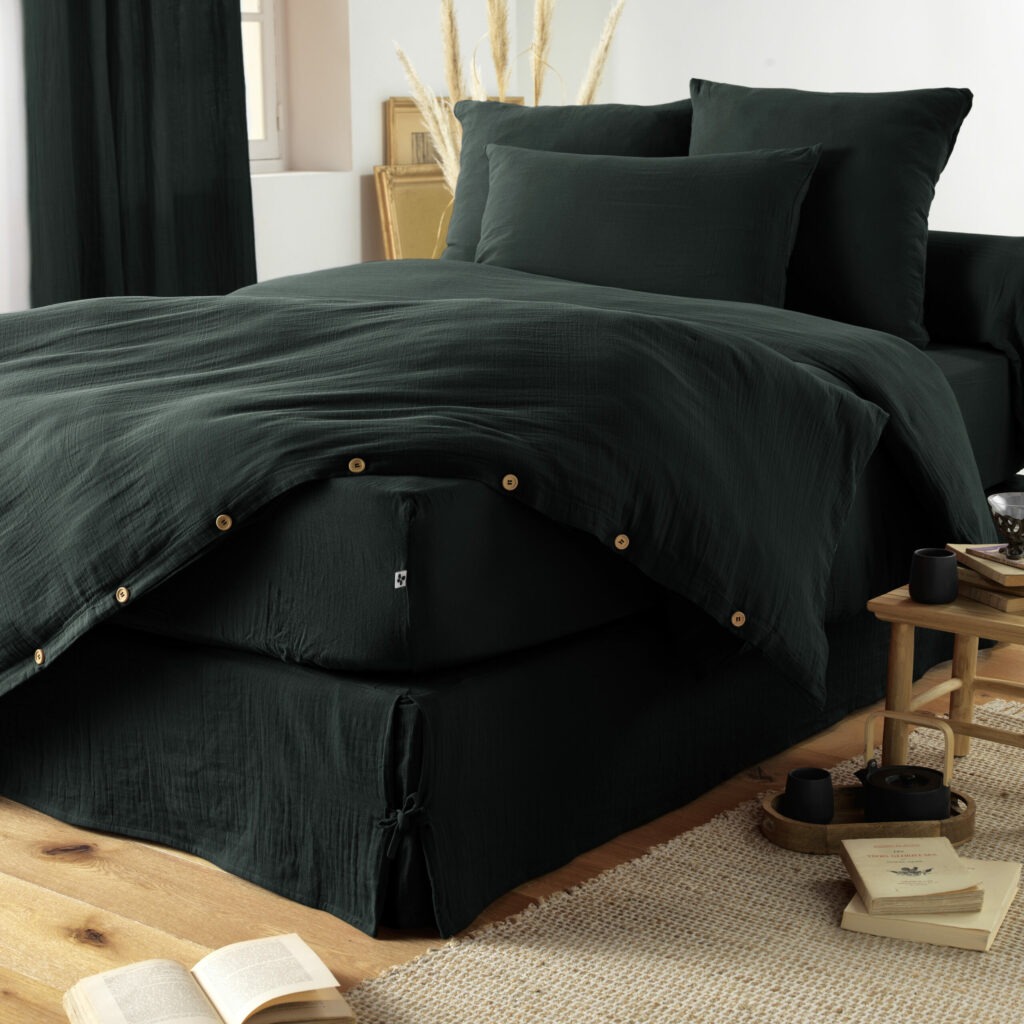
A textured duvet cover, a throw and a few cushions can completely change the bed without redesigning the whole room.
-

Duvet Cover GAÏA Plain Cotton Gauze
From 43.10 € -
Kinta fleece-look throw 130 × 160 cm
79.90 € -
Kinta cushion 45 x 45
From Original price was: 28.90 €.11.50 €Current price is: 11.50 €. -
Eol embroidered cushion
From 37.90 €


2. Use colour to make the room feel warmer
Colour strongly affects perceived warmth. A white bedroom can be beautiful, but if everything is white, cool grey and perfectly smooth, it may feel visually cold in winter.
You do not need to repaint. Textiles are ideal for introducing a seasonal palette because they can be changed easily.
Colours that work especially well in winter
- Terracotta: immediately warmer without becoming too dark.
- Camel and brown: easy with wood, beige and natural tones.
- Burgundy: deep and enveloping, especially in small accents.
- Forest or olive green: warm while remaining calming.
- Ecru and warm beige: keep the room light without feeling cold.
- Navy: adds depth when paired with wood, ecru or camel.
Use a three-colour rule
Choose one main colour, one secondary colour and a smaller accent. For example: ecru + camel + deep green, or beige + terracotta + brown.
The main colour can come from the bedding, the second from the throw or curtains, and the accent from a cushion or small object.
Warm up a white bedroom
If white is the base, keep it. Add one natural texture, one earthy colour and one slightly deeper textile. White then becomes a bright background rather than a cold one.
A white bed with a camel throw, terracotta cushions and ecru curtains already feels significantly warmer.
3. Soften the lighting: the most underestimated change
A bedroom can be beautifully styled and still feel cold if the only light is a powerful, very white ceiling fitting. During winter, when evenings start earlier, artificial light becomes part of the room’s character.
Create several smaller light sources
Bedside lamps, a small lamp on a chest of drawers or indirect lighting create softer pools of light and give the room depth.
They do not all need to be on at once. The advantage is being able to adapt the room to the moment: getting dressed, reading, talking or winding down.
Choose warmer evening light
A warmer light temperature is usually more comfortable in the evening than a very cold white. It also makes wood, earthy colours and textiles look softer.
Keep enough functional light for dressing and tidying. Warm and cosy should not mean dim to the point of inconvenience.
You do not need permanent fairy lights
Fairy lights can be pleasant, but they are not essential. A good bedside lamp with a fabric shade often gives a more timeless, practical result.
4. Dress the windows for visual comfort
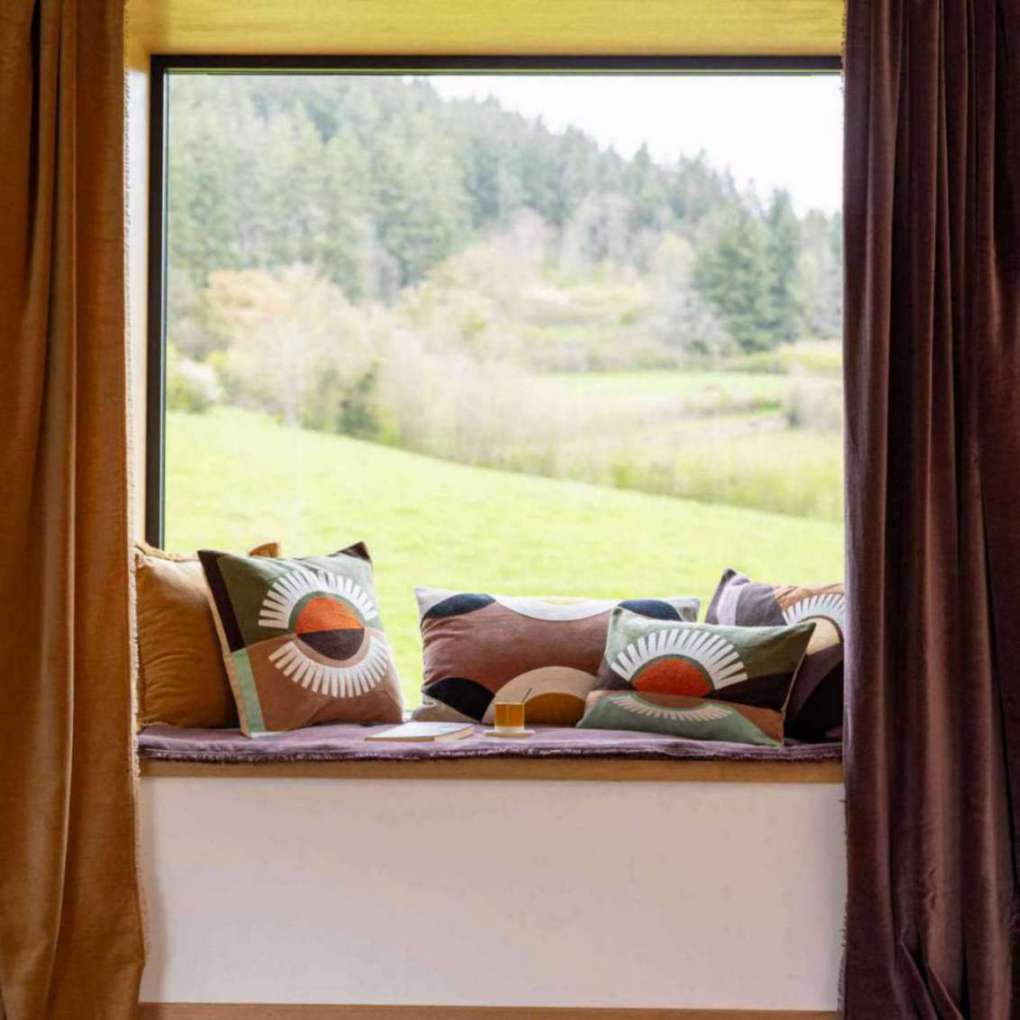
A bare window can look visually cold, especially after dark. Curtains add height, texture and privacy.
They can also change the comfort around the window, but their functions must be distinguished carefully. Not every curtain is thermal, and a blackout or dim-out curtain does not automatically have the same properties as a product specifically designed for thermal performance.
For the differences, see Thermal or blackout curtains: what is the difference and which should you choose?.
Soft curtains for a natural atmosphere
A textured curtain, slub effect or warm neutral shade frames the window without necessarily darkening the room heavily. This works especially well when the main goal is atmosphere.
Blackout and a greater sense of protection
If you need stronger darkness or a more substantial feel around the window, check the product characteristics. A lined or fleece-backed curtain feels very different from a lightweight sheer.
Curtains to dress the bedroom in winter


5. Do not forget the floor: comfort starts when you get out of bed
Bedroom comfort is not only visual. A cold floor under bare feet can strongly affect how the room feels, particularly first thing in the morning.
A rug beside the bed, partially under it or used as a bedside runner can change that sensation immediately.
Small rug or large rug?
A small rug is easy to add and targets the exact place where your feet land. A larger rug under the bed structures the entire room and gives a more enveloping impression.
In a small bedroom, a very large or dark rug can make the space feel tighter. Natural colours and lighter patterns are often easier to work with.
A rug does more than add warmth
Even when it does not change the physical temperature of the floor, a rug adds texture, softens the acoustics and makes the room feel less hard. This is particularly effective with pale wood, tile or mineral flooring.
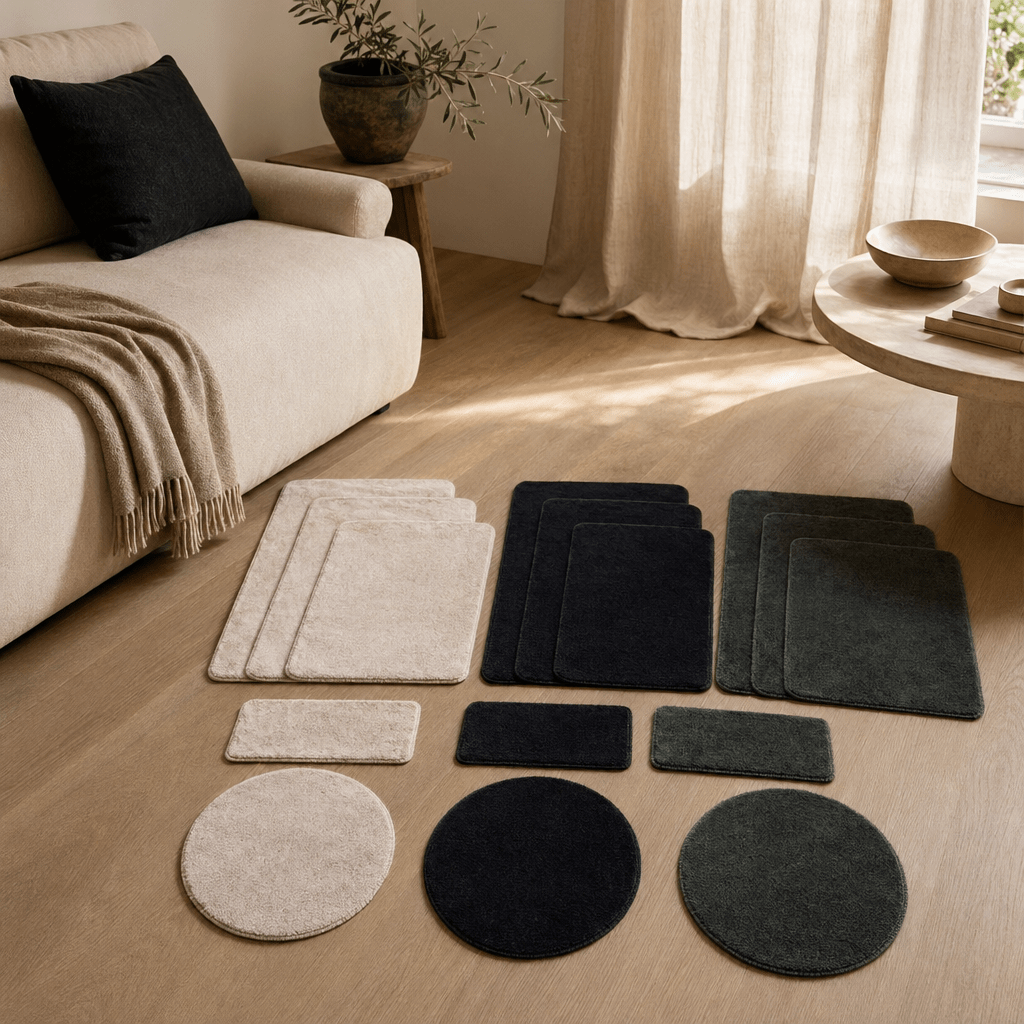
Rugs to soften winter mornings
-
Eddy faux fur look polyester rug
From 89.90 € -
Priam carpet
From Original price was: 194.90 €.96.90 €Current price is: 96.90 €. -
Karan Rug
From 32.90 €


6. Mix materials so the bedroom does not feel flat
Warm bedrooms rarely rely on one single surface. Even a warm colour palette can feel flat if every textile is perfectly smooth.
Combine a few different finishes: cotton gauze, knit, velvet, wool, wood, slub fabric, woven rugs or embroidered cushions. The eye reads these contrasts as layers of comfort.
Repeat two or three main textures
You do not need ten materials. Choose two or three and repeat them. For example: cotton gauze on the bed, knit or wool for the throw, and denser fabric at the window.
Wood from bedside tables, a bench or a frame completes the combination naturally.
Avoid too many competing textures
Strong textures can fight with each other. If the throw is highly patterned and the curtains have a very visible weave, keep the cushions simpler.
The aim is depth, not a contest between every textile in the room.
7. Make a small bedroom warmer without making it heavier
The same principles work in a small bedroom, but restraint matters more. The goal is warmth without filling every surface.
Focus on the bed and the light
Because the bed already dominates the room, concentrate texture there. Good bed linen, one throw and two cushions are often enough.
Add a warm bedside lamp and simple curtains and the change can already feel substantial without any extra furniture.
Avoid furniture that is only decorative
A chair piled with cushions may look cosy in a photograph, but if it blocks movement it will make the room less comfortable. In smaller spaces, add textiles to furniture you already use.
Use deep colours in smaller quantities
Burgundy, forest green and navy can still work, but use them on a throw, cushion or curtain rather than on every surface at once.
8. Keep the bedroom healthy in winter
A warm-looking bedroom should not become a sealed one. Ventilation remains important when the weather is cold.
Air the room regularly, especially in the morning. The aim is not to leave windows open for hours, but to renew the air and allow humidity to escape.
Let the bed breathe
You do not have to remake and cover the bed with every layer immediately after waking. Let the bedding air for a while, especially if the room tends to be humid.
Put the throw, bedspread and cushions back once the bed has had time to dry and breathe.
Avoid drying large amounts of laundry in a closed bedroom
Drying wet laundry in a poorly ventilated bedroom increases humidity. If you need to do it occasionally, increase ventilation and avoid leaving damp air around the bedding for long periods.
9. Fix real cold before decorating around it
If the bedroom is objectively cold, textiles cannot replace a heating, insulation or draught problem. Styling improves perceived comfort, but it should not hide a genuine issue.
Before buying anything, notice where the cold seems to come from: window, door, outside wall or floor. That helps you decide whether curtains, a rug or better textile placement will actually help.
It also prevents you from adding endless layers to the bed when the real discomfort comes from the floor or a poorly sealed window.
10. Make the room warmer without changing all the decor
For a quick transformation, choose one starting point: the throw colour, a new duvet cover or the curtains.
Repeat one or two of those tones elsewhere. If you start with a camel-and-ecru throw, add one camel cushion and keep the rest neutral.
This creates a much stronger visual story than buying unrelated decorative pieces.
11. A minimalist bedroom can still feel warm
Minimalism and warmth are completely compatible. The key is to use better-looking materials rather than more objects.
A well-dressed bed, two soft lamps, one good curtain treatment and a rug may be enough. The colour palette can remain very simple: ecru, wood, beige and light brown.
Texture then replaces extra decoration.
12. If the room is already colourful, calm it before adding warmth
A bedroom that already contains many colours does not necessarily need extra terracotta or burgundy. Adding more may simply make the room busy.
Use natural shades to link the existing colours: ecru, camel, pale brown and wood. Softer lighting can then add warmth without another strong colour.
13. How many cushions do you actually need?
There is no ideal number, but a bedroom that works in real life should remain easy to make every morning. Two decorative cushions in front of sleeping pillows are often enough.
A small rectangular cushion in the centre can add another layer. Beyond that, ask whether you really want to move six cushions morning and evening.
Visual comfort should still be compatible with everyday life.
14. The throw: decoration by day, comfort by night
A throw is one of the most versatile textiles in a bedroom. It dresses the bed during the day and becomes an extra comfort layer when you read or watch something in the evening.
For sizing and use, see Throw or blanket: what is the difference and which should you choose? and Which throw should you choose for autumn and winter?.
15. Wood and natural materials strengthen the effect
Although textiles do much of the work, wood also matters. A bedside table, frame, bench or a few wooden details make warm textile colours feel even more natural.
Rattan, matte ceramics and some plant fibres also work well. A few touches are enough.
16. Small details that genuinely change the mood
- Remove packaging and visually cold clutter around the bed.
- Use a basket or storage container for the throw.
- Group small objects rather than scattering them.
- Keep a book, ceramic piece or decorative object on the bedside table.
- Hide visible cables where practical.
- Leave some free space around the bed so the room can breathe.
A bedroom tends to feel warmer when it looks ready to be lived in rather than simply filled with decorative objects.
17. Our one-hour action plan
- 10 minutes: remove visual clutter from the bed and bedside tables.
- 10 minutes: remake the bed with more deliberate layering.
- 10 minutes: change which lamps you use in the evening.
- 10 minutes: adjust or reorganise the window treatment.
- 10 minutes: add or reposition a rug.
- 10 minutes: check the colour balance and remove one item if the room starts to feel crowded.
This is often enough to make the bedroom feel completely different without buying a long list of new products.
18. Our advice at Anna & Moi
Start with what you genuinely touch and use. Bed linen, the throw, curtains, the rug and lighting will usually make a bigger difference than a collection of small decorative accessories.
Picture the bedroom on a November evening: the light is soft, the floor feels pleasant underfoot, the bed looks inviting and the throw is within reach. That is the feeling you are trying to create.
You may also like
- Create a cosy bedroom for autumn and winter
- Which bed linen material should you choose for autumn and winter?
- Thermal or blackout curtains: what is the difference and which should you choose?
- Autumn-winter 2026 décor trends: colours and textiles to warm up the home
FAQ: how to make a bedroom feel warmer in winter
Which colours make a bedroom feel warmer?
Earthy shades, camel, terracotta, brown, burgundy, deep green and warm ecru all help create a more enveloping atmosphere. You only need two or three coordinated tones.
How can I warm up a white bedroom visually?
Add texture and one or two warm colours: a camel throw, terracotta cushions, ecru curtains, a natural rug or wood details. White then becomes a bright base rather than a cold one.
Do I need lots of cushions on the bed?
No. Two decorative cushions, perhaps with one smaller rectangular cushion, are often enough. Too many can make the bed annoying to manage every day.
Which textile changes a bedroom the most?
Bed linen is usually the most visible. Curtains also have strong impact because they cover a large vertical surface. Throws and rugs are easy ways to add colour and texture quickly.
Can curtains make the bedroom feel warmer?
Yes visually, and some products also have specific stated properties. Always check the product details because not every curtain is thermal.
How can I make a small bedroom cosier?
Concentrate texture on the bed, add warm lighting and a simple curtain treatment, then limit decorative objects. In a small room, empty space is part of the comfort.
How can I make the bedroom feel warmer without turning up the heat?
Work on perceived comfort through textiles, rugs, curtains, softer lighting, warm colours and layering. If the room is genuinely cold, check heating, insulation and draughts before relying on decoration alone.


Leave a Reply