


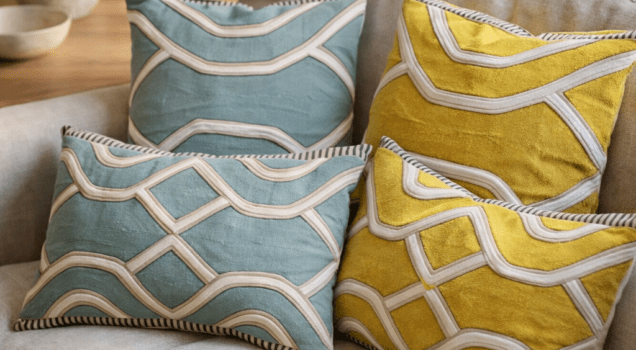
Autumn-winter 2026 interiors are becoming warmer, more tactile and more personal. Highly coordinated, perfectly smooth rooms are giving way to richer colours, visible texture and pieces that feel collected rather than purchased all at once.
The good news is that you do not need new furniture to follow the autumn-winter 2026 décor trends. Throws, cushions, curtains, rugs, quilts and bed linen can completely change the mood of a room.
1. Chocolate brown becomes a new neutral
Chocolate, cocoa, coffee and caramel tones are among the easiest ways to add depth. They work especially well with ecru, beige, natural wood and brass.
Think of brown as a warmer alternative to grey: a grounding base that can support green, burgundy or softer colours.
2. Burgundy and deep reds add sophistication
Burgundy, wine, plum and brown-red shades bring warmth without the brightness of a classic red. They work particularly well in small doses through cushions, throws or curtains.
Balance them with warm neutrals such as sand, ecru, camel and wood.
3. Greens become deeper
Sage is still useful, but deeper olive, moss, khaki, forest and inky greens are becoming more visible. They pair beautifully with natural materials and darker woods.
4. Powdery colours stay, but become more muted
Dusty pink, grey-blue, soft mauve and gentle yellow can soften darker autumn palettes. Instead of creating a pastel room, use them as a lighter counterpoint to brown, green and burgundy.
5. Texture matters as much as colour
Fringes, embroidery, jacquards, marl, quilting and visible weaves create depth even in a neutral colour scheme. This is one of the easiest trends to introduce with textiles.
6. Plaid, tartan and stripes return with more character
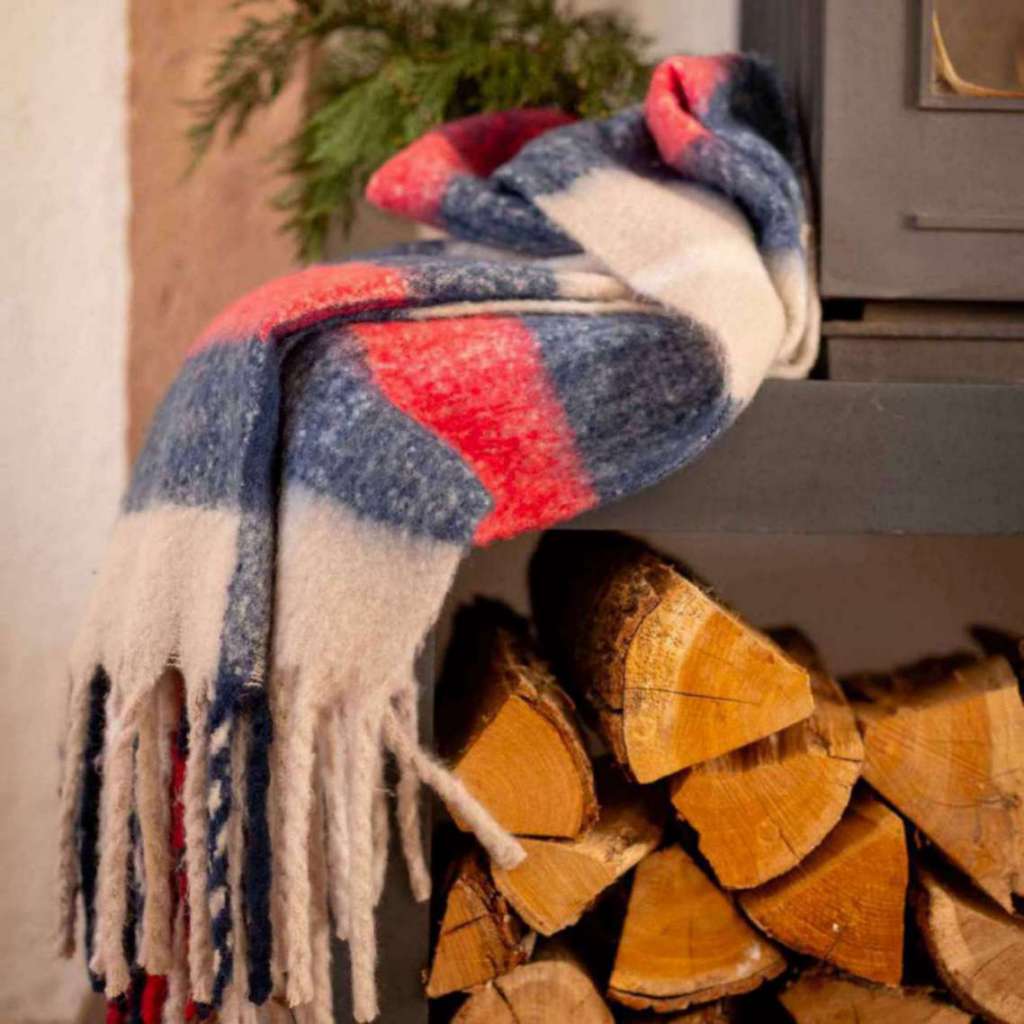
Classic geometric patterns are becoming stronger and less formal. A tartan throw or striped textile can create the focal point, while the rest of the sofa stays quieter.
Easy textures and patterns for the living room
These pieces show the season’s direction clearly: tartan, embroidery, fringes and deeper tones. Choose one or two rather than trying to use every trend at once.
-

Isabel recycled tartan throw
59.90 € -
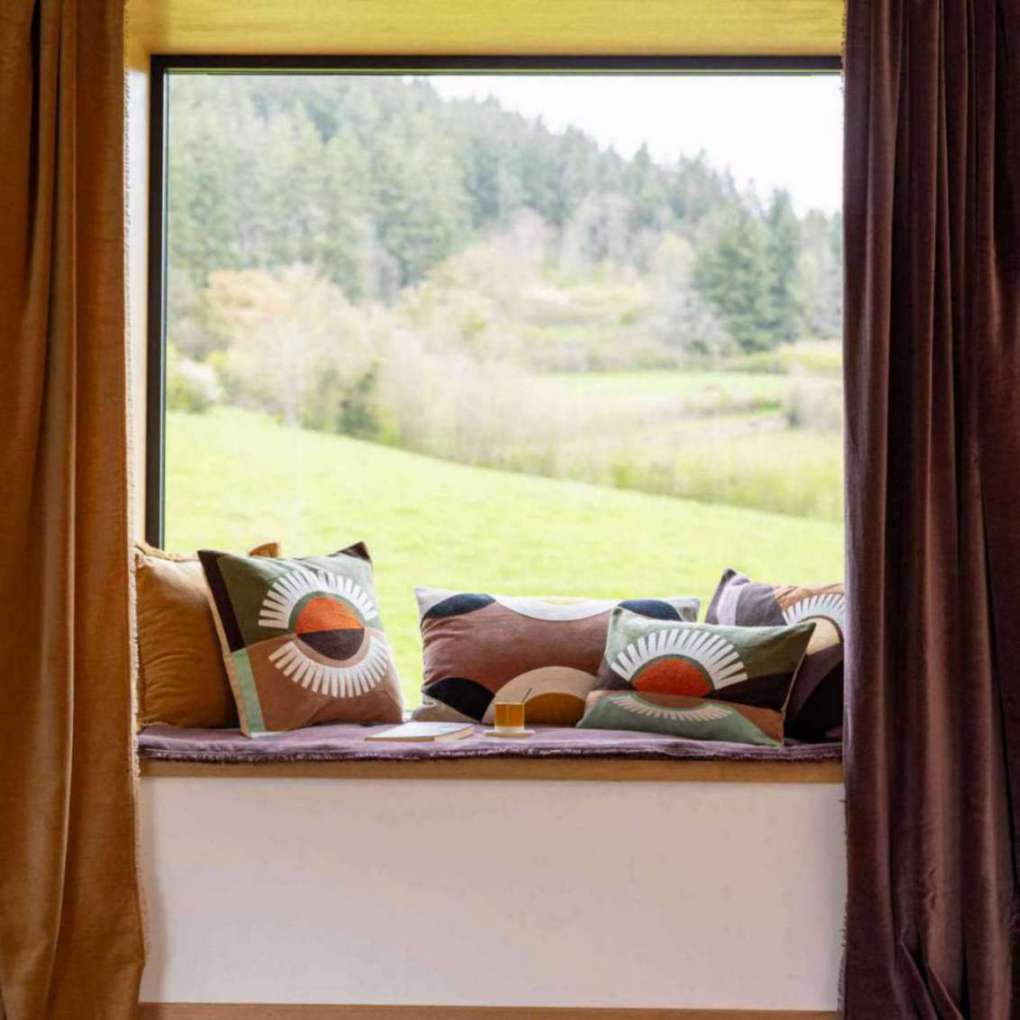
Eol embroidered cushion
From 37.90 € -
GASPARD Fringed Throw
From 26.90 €

7. Rooms become less perfect and more personal
The shift is not only about colour. Interiors increasingly mix old and new, simple and decorative, collected objects and everyday textiles. Cushions do not all need to match; a bold throw can sit next to quiet curtains.
This also makes decorating more sustainable because you can add and rearrange instead of replacing everything.
8. Layering becomes essential
Layering creates both visual warmth and practical comfort. On a sofa, combine cushions, a throw and a nearby rug. On the bed, use bed linen, a quilt, throw and decorative cushions.
For practical styling ideas, see How to style throws and cushions on a sofa.
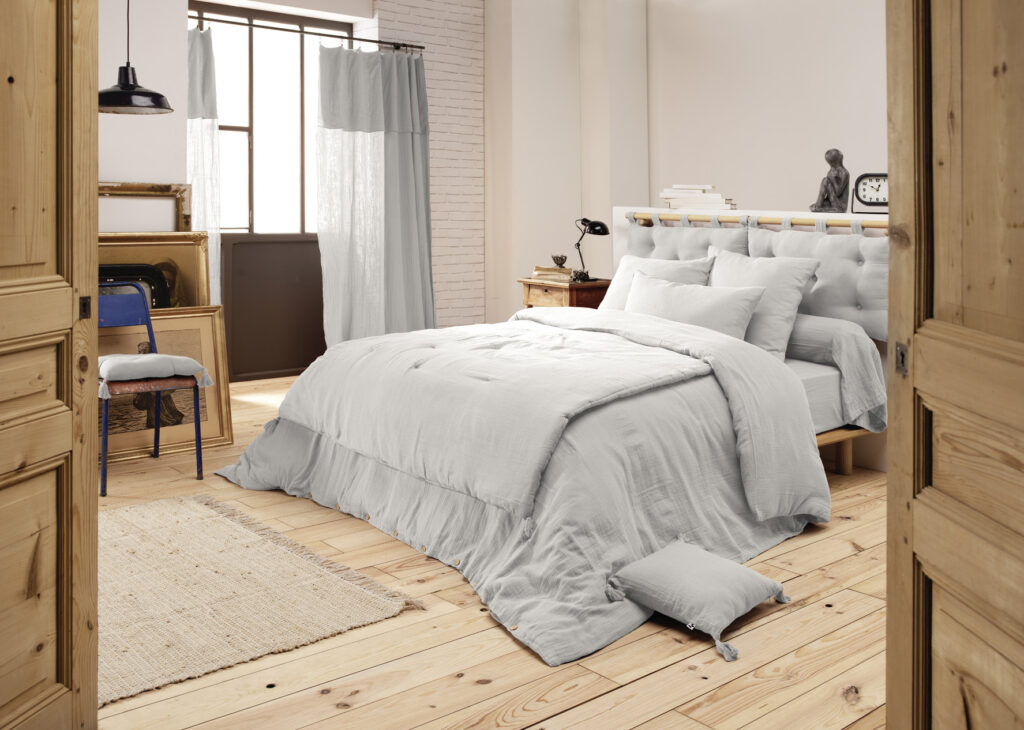
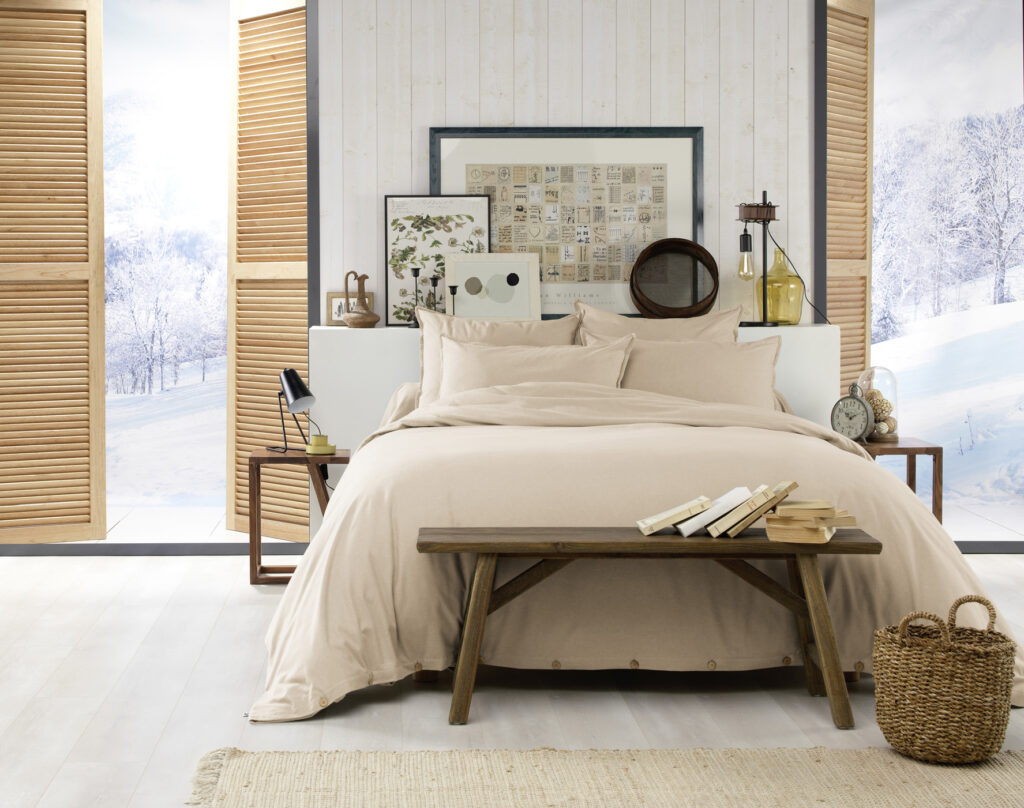
9. The bedroom becomes a textile cocoon
The cosy bedroom trend continues, but with more freedom. Plain bed linen can be layered with printed quilts, textured cushions and warmer fabrics such as cotton flannel.
Ideas for layering bedroom textiles
10. Patina and materials that age well
Dark woods, aged metals, brass and textiles with a washed or imperfect surface all support a more lived-in atmosphere. Fringes, marl effects and less polished textures help avoid a showroom look.
How to use 2026 trends without redecorating everything
Living room
- Keep the sofa and change only two cushions.
- Add a deeper-coloured or patterned throw.
- Introduce one new texture such as embroidery or fringe.
- Use a rug or curtains to connect the palette.
Bedroom
- Keep plain bed linen as a base.
- Add a quilt, bed runner or throw.
- Use one deeper colour on just a few items.
- Mix materials more than patterns.
Dining area
- Change only the tablecloth or napkins.
- Use warmer shades such as brown, burgundy or green.
- Bring in linen, washed cotton or recycled textiles.
- Keep tableware simple when the table linen is strong.
Three easy autumn-winter 2026 palettes
Chocolate + ecru + deep green
Natural, warm and easy to live with. Use chocolate as the grounding tone, ecru for light and green as an accent.
Burgundy + camel + dusty pink
A more sophisticated combination. Camel softens burgundy and dusty pink prevents the palette from feeling too heavy.
Grey-blue + brown + soft yellow
A more contemporary choice. Brown warms the blue while muted yellow introduces light.
Use darker colours without making the room feel heavy
Deep colours work best when they are balanced rather than repeated everywhere. If you choose chocolate, burgundy or forest green, keep larger surfaces lighter and introduce the deeper shade through cushions, throws, curtains or one upholstered piece. This creates warmth while preserving light.
Natural wood, ecru textiles and warm lighting help soften dark tones. The result feels layered and comfortable instead of dramatic for the sake of drama.
Let lighting support the winter palette
Autumn and winter decoration is not only about textiles. Rich colours change significantly depending on light. Several small lamps, rather than one strong ceiling light, make brown, burgundy and green feel warmer and more nuanced in the evening.
This is especially useful when introducing deeper textiles into a small room: the right lighting prevents them from feeling flat or too dark.
Mistakes to avoid
- Replacing everything because one colour is fashionable.
- Using every trend in one room.
- Choosing textiles only for looks and ignoring comfort.
- Mixing strong patterns with no shared colour.
- Ignoring scale and proportions.
- Following a trend that does not suit the way you live.
Our advice
A trend should give you an idea, not force you to redesign your home. Start with the colour, texture or pattern you genuinely like and add it to what you already own.
You may also like
- How to create a cosy living room for winter?
- How to style throws and cushions on a sofa?
- Which bed linen material should you choose for autumn and winter?
FAQ: autumn-winter 2026 décor trends
Which colours are trending for autumn-winter 2026?
Chocolate brown, burgundy, deep greens, muted blues and powdery accent shades are particularly visible, with palettes moving toward warmer, more enveloping combinations.
Which patterns are trending in 2026?
Plaid, tartan, stripes and expressive floral or graphic patterns are being used alongside more tactile, crafted textures.
Do I need to redecorate the whole room?
No. Throws, cushions, curtains or a quilt can change the atmosphere significantly without replacing furniture.
How can I make a room warmer without making it dark?
Keep a light base, add deeper colours in smaller amounts and rely on texture, wood and layered textiles for warmth.


Leave a Reply