


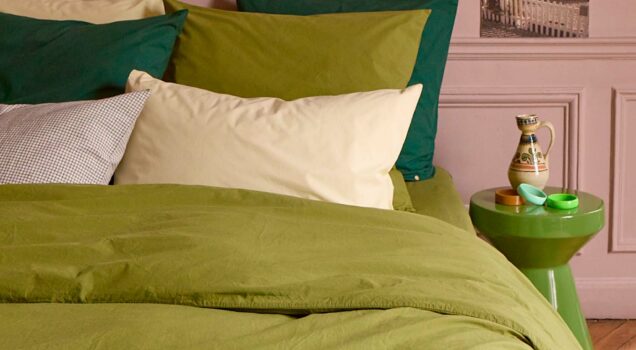

As autumn arrives and nights turn cooler, the bed quickly becomes one of the most comforting places in the house. But choosing winter bed linen is not simply about finding the thickest fabric. The right material depends on how warm you naturally sleep, the temperature of the bedroom, your duvet and the feel you enjoy against your skin.
Some people feel cold the moment they get into bed; others wake up because they are too warm. The best fabric is therefore the one that keeps you comfortable without feeling heavy or stifling.
First: bed linen is only one part of the warmth
A duvet cover and fitted sheet influence the way the bed feels, but the duvet remains the main source of warmth. Bed linen mainly changes the feel against the skin, breathability and the way heat is retained or released.
Before changing your whole set, look at the complete sleeping environment: room temperature, duvet weight, sleepwear and any extra layers. A throw at the foot of the bed can often add comfort without making the whole night too warm.
Cotton flannel: the cosiest choice for cold nights
If you tend to feel cold, flannel is one of the most comforting fabrics for autumn and winter. Its softly brushed surface feels warmer on first contact than a very smooth cotton.
It is especially suitable if you dislike the cold-sheet feeling when you first get into bed. The Candice cotton flannel bed linen set is a good example of this cocooning comfort.
Choose it if: you are naturally chilly, your bedroom stays cool or you love an enveloping feel.
Cotton gauze: soft and cosy without feeling heavy
Cotton gauze is a great option if you want a warm atmosphere but do not enjoy heavy fabrics. Its softly crinkled texture creates an inviting bed and works particularly well with layered styling.
The Gaïa cotton gauze set can be combined with a bedspread, eiderdown or throw as the weather gets colder.
Choose it if: you want softness, an easy-care bed and a naturally cosy look.
Washed linen: a smart choice if you sleep warm
Linen is often associated with summer, but washed linen can be comfortable all year round. Its strength in winter is that it does not feel as enclosing as very dense fabrics.
If your bedroom is heated or you tend to get warm during the night, it can be more comfortable to keep breathable bed linen and let the duvet provide the warmth. The Soline washed linen set follows that idea.
Choose it if: you often feel warm at night, you like a natural textured feel or you want one set to work across several seasons.
Lyocell and bamboo: smooth, soft and light
Lyocell and bamboo-based textiles are popular for their soft, smooth feel. They suit sleepers who want a fluid fabric and dislike the heavier sensation of flannel.
In a heated bedroom, they can be particularly pleasant. The duvet provides the warmth while the bed linen remains soft and comfortable. See the Lysandre lyocell duvet cover and the Salomé bamboo duvet cover.
Choose them if: you value softness and a smooth feel more than a very warm first contact.
Cotton and percale: reliable all year round
Cotton remains a classic because it is easy to live with and available in many weaves. Percale generally feels cleaner and cooler than flannel, while softer cotton weaves can feel more relaxed and cosy.
This is a useful option if you do not want to change bed linen every season. Keep the same cotton base and simply adapt the duvet, throw or eiderdown.
Which material suits the way you sleep?
- You are very sensitive to cold: start with cotton flannel.
- You like a soft, visually cosy bed: choose cotton gauze.
- You often feel too warm at night: consider washed linen, lyocell or bamboo.
- You want one versatile set for most of the year: cotton or percale are reliable choices.
- You are hesitating between two fabrics: choose the feel you enjoy most and adjust warmth with the duvet and extra layers.
Layer the bed instead of choosing an overly warm fabric
For autumn and winter, the most flexible approach is often to build the bed in layers: comfortable bed linen, the right duvet, then a throw or eiderdown that can be added only when needed. This makes it much easier to adapt to changing temperatures.
It also creates the cosy look people often want at this time of year. A throw at the foot of the bed, a few cushions and textured fabrics can transform the room without making the bed uncomfortably warm.
Our autumn and winter advice
Do not choose a fabric only because it is described as warm. Think about your ideal night. Want an immediately cosy feel? Flannel is hard to beat. Prefer softness without heaviness? Cotton gauze works beautifully. Tend to sleep hot? Washed linen, lyocell or bamboo may suit you better.
You may also like
- How to choose a duvet cover: size, material and style
- How to choose a fitted sheet: size, depth and comfort
- Which throw should you choose for autumn and winter?
FAQ: choosing winter bed linen
Which bed linen material feels warmest?
Cotton flannel generally gives the warmest, most enveloping first-contact feel. Overall warmth still depends mainly on the duvet, room temperature and the other layers on the bed.
Is linen suitable for winter?
Yes. Washed linen can be used all year round and is particularly comfortable for people who sleep warm or use heating in the bedroom.
Is cotton gauze good for winter?
Yes. It brings softness and a cosy feel without being as enveloping as flannel. Pair it with a suitable duvet and add a throw or eiderdown when needed.
Do I need different bed linen for summer and winter?
Not necessarily. If one fabric feels comfortable all year round, simply change the duvet or the extra layers according to the season.


Leave a Reply